
Digital Art by Marcellous Lovelace
Artist’s Statement:
The art form that I Marcellous Lovelace practice is painting in mixed media with found materials. I paint from my experience living on the South Side of Chicago and living in poverty-stricken America. I use found objects throughout the world as references to my surroundings in my work. Not only that, but I work on everything from old found pieces of paper, garbage cans, tires, and mattresses to used construction material found from torn-down buildings. My travels and growing up in Chicago, a diversely segregated environment, influence struggle and pain. I learned to call myself an Afro-Urban Indigenous Folk Artist, a term that reflects both ancestral memory and contemporary survival. The tragedies that occur in my city help me reinterpret the oppression on all surfaces.
This approach aligns with long-standing African artistic traditions in which material carries spirit, history, and function. In many West and Central African cultures such as the Yoruba, Dogon, Kongo, and Akan art was never separate from daily life, struggle, or resistance. Objects were repurposed, layered, and transformed into vessels of memory, ritual, and survival. Like the Nkisi figures of the Kongo, which embedded nails, metals, and found materials to activate power and testimony, my surfaces absorb the trauma, endurance, and lived reality of Black life in America. My work also echoes the legacy of African American artists such as Thornton Dial, Lonnie Holley, Elizabeth Catlett, Noah Purifoy, and Betye Saar, who used discarded materials as historical evidence against erasure, poverty, and racial violence.
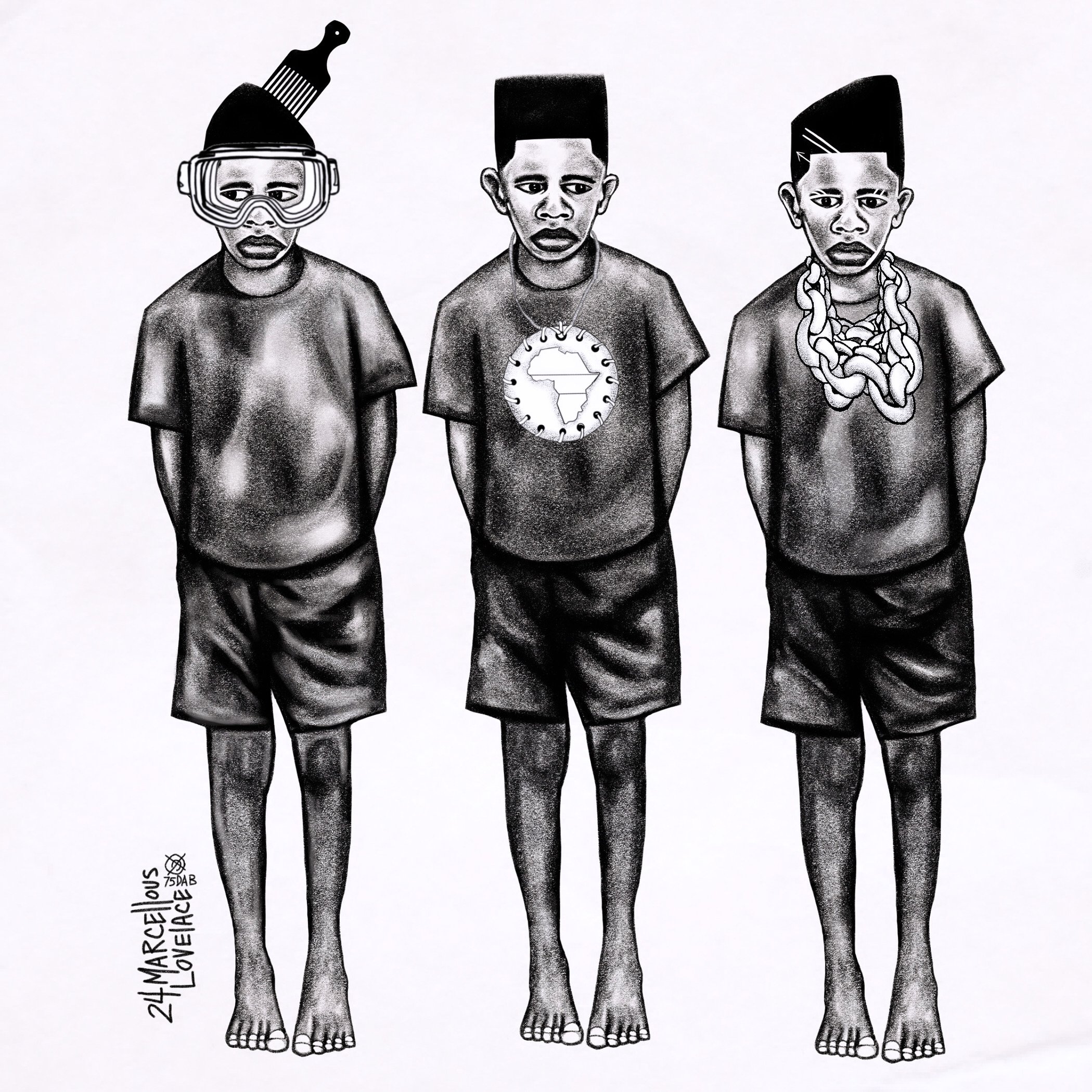
Strictly from the Soul
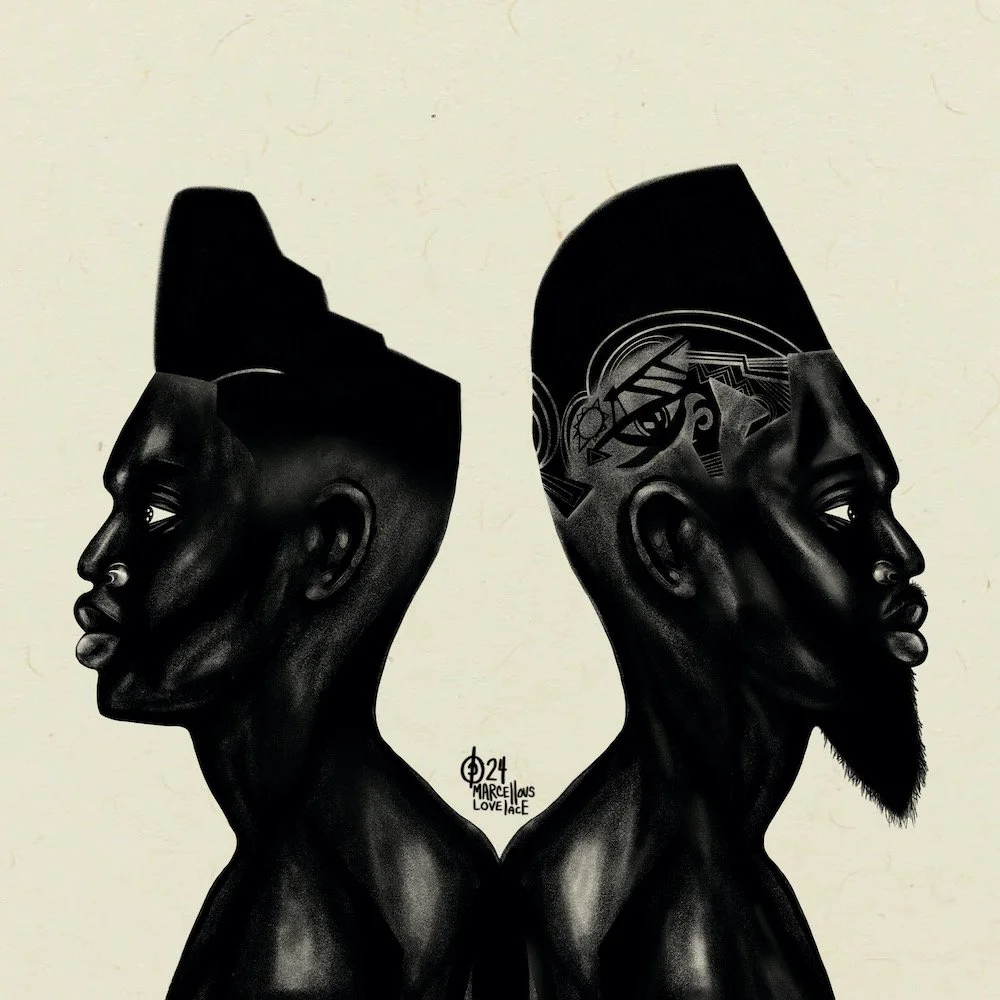
Sun-Protected Through Crowns

BIO: I was born and raised on the South Side of Chicago in a community called Roseland. This segregated, poverty-stricken environment helped me to develop over 400 images a year over the last 30 years of my life. My environment is so negative it helps me to create beauty from this struggle. I paint because it’s the only thing that feels good after feeling like I’m trapped in a world that has no hope. This process reflects the tradition of Black creative resistance, where art functions as both survival and testimony similar to the role of spirituals, blues, Hip Hop, muralism, and quilt-making in Black history. Like the Gee’s Bend quilters, who transformed scraps into visual language, my work reclaims what society discards and turns it into evidence of presence, intelligence, and humanity.
I also have lived in a place in Chicago known as Terror Town on the South Side of Chicago that is also highly populated with gang activity due to the fact the city really doesn't care about what happens to the underprivileged citizens in the city. Terror Town is near 75th and Exchange off of South Shore Drive. In this area I painted a large portion of my work in a residence that was controlled by drug addicts and bombarded by roaches. Many of these pests and addicts ended up being a part of my work. This reality mirrors the historical neglect faced by Black communities since the Great Migration, redlining, and urban disinvestment policies that deliberately isolated Black neighborhoods while extracting labor and culture. Much like Jacob Lawrence documented migration and struggle through narrative form, my work documents lived conditions through material truth.
For most of my adult life I have worked on art regardless of the situation, and I always will because these colorful problems help me to continue to see through the blight. This practice is an act of resistance, education, and spiritual grounding rooted in the same lineage that produced artists such as Romare Bearden, Jean-Michel Basquiat, David Hammons, and contemporary Afro-surrealists who confront systemic oppression through layered symbolism. My work is not separate from Black history; it is a continuation of it, a living archive of struggle, survival, and creative intelligence shaped by ancestral resilience and modern urban reality.
His art acts as a testament to endurance, using symbols of African heritage to heal the trauma of the past. Result: Reclaiming the narrative from the oppressor and affirming the value, strength, and resilience of Black life.