
There’s Nothing We Can Do
by Christopher Russell
The emergency room was five minutes away. Despite the convenience, I wished the drive could’ve been longer. As much as my head throbbed and my eyes teared, I was safe in the passenger seat. Once I stepped out of the car, I had to face the truth, and I wasn’t sure I was ready. Did I have a stroke? Will I look like this forever?
I opened my phone to the photos app and stared at the most recent picture taken yesterday. My brother and I stood next to each other, smiling with shown teeth and raised eyebrows. My smile was wider than his. Symmetrical. A smile—a day later—I could not replicate.
I didn’t recognize the face staring back at me from my selfie camera. I tightened my muscles to smile, but only the right obeyed. The left was numb, as if injected with anesthetic. I snapped a picture with my eyes closed. My left pupil hid behind my upper lid, but the bottom lid was loose and exposed the white of my eye. Disgusting. I couldn’t stop staring, as if my face would regain control if I analyzed the picture long enough.
“When did you first notice the paralysis?” The doctor poked at my face with her gloved hands. Two residents stood on each side of the doorjamb, laptops against their hips as they pecked the keys.
“This morning,” I said through huffed breath. Tears dripped onto my cheeks. I closed my eye with my fingers to simulate a blink and soothe the itchiness.
“Take off your mask, please.” I knew it was coming, but I dreaded it nonetheless. The residents stepped closer, ogling at my paralysis like I was an animal at an exhibit. I was just another page in their textbook. I envied their facial control, their confidence to react how they wished. They displayed no worry about the possibility that this could happen to them. The doctor asked me to smile, frown, and make all the facial gestures I took for granted for twenty years. I couldn’t.
“Did you notice any muscle weakness before you went to bed last night?” I shook my head, and the doctor continued. “Were you exposed to any foreign winds?”
“What?”
“Slept with a window open? No? Have you traveled recently?”
“I moved to Michigan two weeks ago.” I opened my mouth wide and spoke as clearly and slowly as I could. My words still came out puffy, mumbled, distorted. The doctor nodded and guided the students to the hall. They returned moments later with a third resident, as if two weren’t enough.
The doctor spoke in full sentences, but I could only make out fragments; It was too much. Not a stroke. Bell’s Palsy. Facial Paralysis. Rare. Unknown causes. Nothing we can do.
They left the room as I continued crying. A resident said I was lucky because I was young, so I’d most likely recover completely. I wanted to scream at her, tell her nothing about this felt lucky, but I couldn’t. I didn’t have the energy, and I knew she meant well. The ER referred me to a neurologist, but they told me to call if I had any questions or concerns.
When I did have questions, they never answered the phone.
Even though the doctor said my condition was rare, I didn’t know to what extent until I googled it further. Roughly 40,000 individuals each year are diagnosed with this condition, and now I was one of them. I was just another percentage. Will I be one of the cases that never see recovery?
After four months of waiting, praying, and hating my new normalcy, I finally saw the neurologist. They told me I should’ve come sooner, even though this was the earliest they could book me. I was even on their cancelation list. Since I waited so long, they said my paralysis could last forever.
They recommended PT and acupuncture, but there was nothing they could do besides provide me with a one-sided paper of at-home exercises.
The doctors continually hammered in a sense of immediacy. My chance of recovery was inextricably related to my PT efforts.
Their hypocrisy angered me. If timeliness is so imperative, couldn’t they have given me this advice sooner? They preached of hastiness, but only informed me so after they already said, “it’s probably too late.”
I was glad my paralysis occurred during a pandemic. Instead of for the sake of public safety, I wore a mask to hide myself, even when I was alone in the car. That way, I wasn’t tempted to look at my drooped smile every time I stopped at a red light. With a mask on, I could fit in. I was normal. I didn’t let even my closest friends see what I looked like behind it.
The PT and acupuncture drained both my energy and bank account. Yet for the first time in five months, my lower teeth were visible when I smiled. I could go to bed without taping my eye shut. I was finally regaining my control, but the emptiness persisted. The loss of something so inherent and secure as facial capability made me wonder what else in life I could lose. My lifelong spirituality and religious beliefs were thrown into limbo, crumbling alongside my self-perception.
Months passed. The few family members that knew about my condition told me they noticed how far I’d come. My insecurities simmered down almost completely, but slivers of doubt and uncertainty remained. My neurologist congratulated me for my resilience.
“We did it!” She always talked in plural. We.
I remembered her words from months ago. The same words every other doctor said. “There’s nothing we can do.”
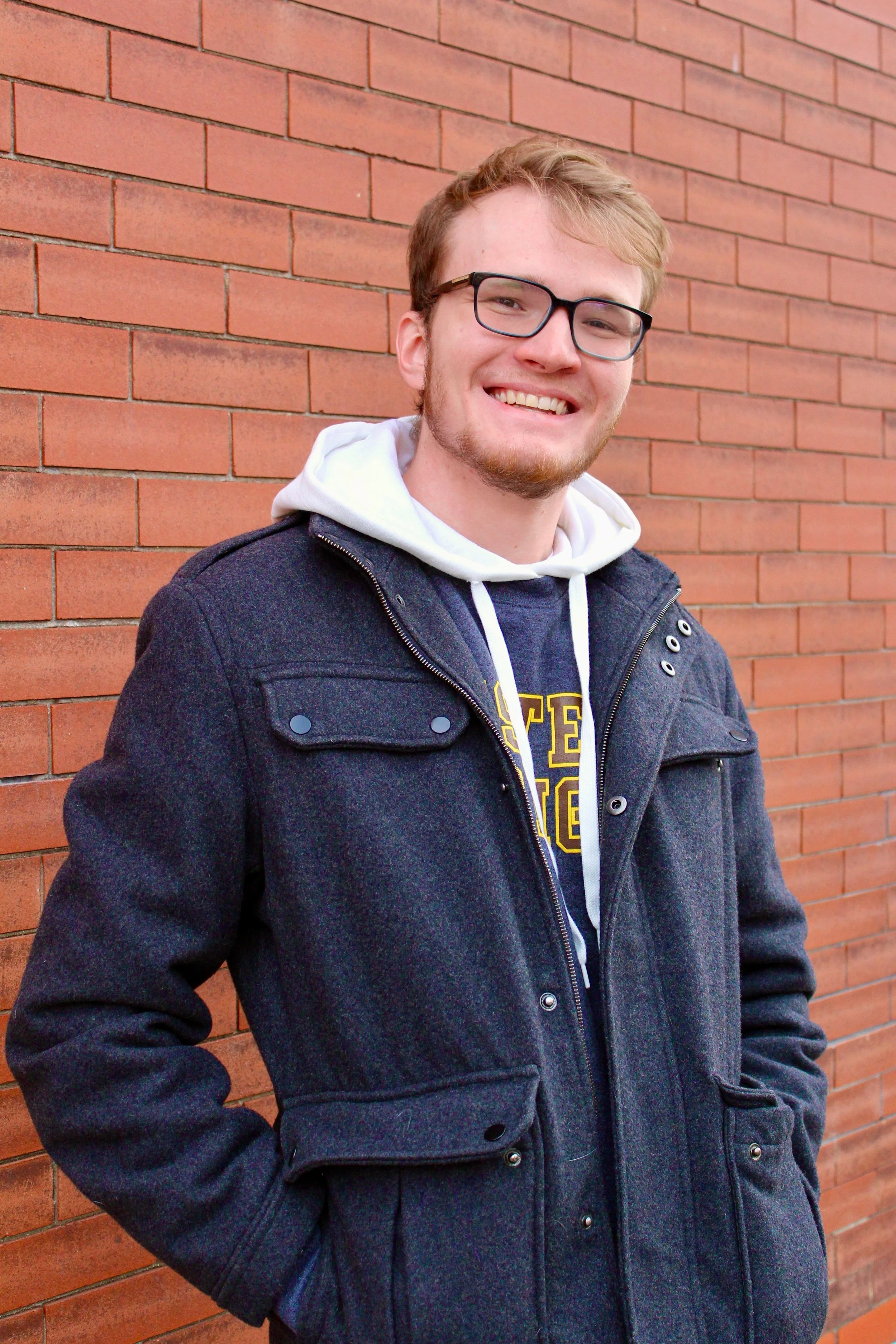
BIO: Christopher Russell is a writer from the mid-Michigan area. He is fiction editor at Third Coast Magazine and is currently earning his PhD in fiction at Western Michigan University. His work also appears in Washington Square Review LCC.