
Two Poems
by J. Alan Nelson
Another goddamn day in the empire’s hangover
Trump on the screen, tie flapping like a surrender flag
he never signed, grinning about running the country
now that we’ve snatched Venezuela’s president
and his wife, zip-tied, blindfolded, flown north
like takeout from a country we suddenly craved.
He says it casual, the way you order extra hot sauce,
while the ticker crawls with stock futures
and some anchor pretends this is normal.
Meanwhile in Nebraska they’re begging fans
to quit rushing the court after beating Michigan State as if storming hardwood is the real emergency tonight,
as if joy is the only thing we still know how to riot over.
Keep the kids off the floor, folks.
Order must be maintained.
Cut to the Critics’ Choice Awards red carpet:
actual children in rented tuxedos and glitter,
battling it out for a statue that weighs more
than their childhoods.
They smile like pros, say the lines their agents fed them,
while somewhere a real president’s wife
is learning what cold concrete tastes like.
I scroll past the list, best sci-fi of every year,
1993: Jurassic Park, of course.
Dinosaurs cloned from old blood,
rich men playing god, fences failing.
Funny how that one still feels like prophecy
instead of nostalgia.
Then Elizabeth Hurley in a chain-link bikini
on some beach that costs more per night
than most people’s rent.
She’s fifty-something and flawless,
sun glinting off metal like it’s proud to be there.
The caption calls it “cheeky.”
I call it the last honest advertisement left:
buy this body, buy this life,
while the rest of us watch countries get kidnapped
and pretend we’re only bored.
Pour me something cheap and brown, Hank.
The TV keeps talking,
the phone keeps glowing,
and nobody’s storming anything
that actually matters.
We just sit here,
getting older,
getting drunker,
liking the pictures
of other people’s victories
and other people’s skin.
More than forty nuclear bombs lie lost
in the black silt of oceans,
or buried under Arctic snow
that no one will ever shovel away.
They wait like forgotten teeth
in the jaw of the earth,
ticking or not ticking,
no one knows for sure.
And here we are,
remote in hand,
scrolling past the same faces
chopped and sautéed,
or strangers weeping
over strangers they just met.
The screen glows,
a small blue hearth,
while the real fire
sleeps in its cradle of rust.
I used to measure my days
in Prufrock’s careful spoons,
silver glinting with possibility.
Now it’s the soft plastic thud
of K-cups dropping
into the trash,
one after another,
a quiet percussion
for mornings that taste
exactly like the last.
The pandemic thins out
like smoke from a house
that burned years ago.
We step outside, blinking.
Billboards promise concerts,
broadway lights,
performance artists
wrapped in whatever metaphor
is trending this season.
No Morris dancers, though,
their bells would be too honest.
Death, it turns out,
has been busy in quieter ways.
The Texas freeze
took more lives than the governor
will ever count aloud.
He signed a paper
so everyone can carry
without asking,
without practice,
as if courage were a permit
you print at home.
Now the news arrives
in daily increments:
another parking lot,
another classroom,
another someone
who wanted to be Wyatt Earp
for a moment.
We look for reason
the way we look for lost keys,
under the couch of politics,
in the pockets of old arguments,
but the house is on fire
and we’re still arguing
about who left the stove on.
Flags of dead causes
snap above the capitol,
bright as fresh paint.
Long ago I walked
to the cracked obelisk
in the New Mexico desert,
where the first light
brighter than a thousand suns
bloomed twelve years
before I drew breath.
The sand there is still glass
in places,
a green-black mirror
no one polishes.
Now calm voices on podcasts
explain that humanity
could survive a full exchange,
a few million gone,
a few billion hungry,
but the species endures.
They say it kindly,
the way ministers once promised
heaven to the poor.
Let us discuss this,
they urge,
in good faith,
as Christians and scientists
holding hands across the table.
One side brings equations,
the other brings prayer.
Both are forms of hoping
the math is wrong.
Meanwhile the missing bombs
keep their counsel
under water, under ice.
India, Pakistan, China,
North Korea,
factories humming
like beehives
making more stings
than any garden needs.
We see only the bright part
that floats above the waterline.
And still the atoms chatter,
patient as grandmothers
waiting for us to notice
the pot has begun to boil.
Now.
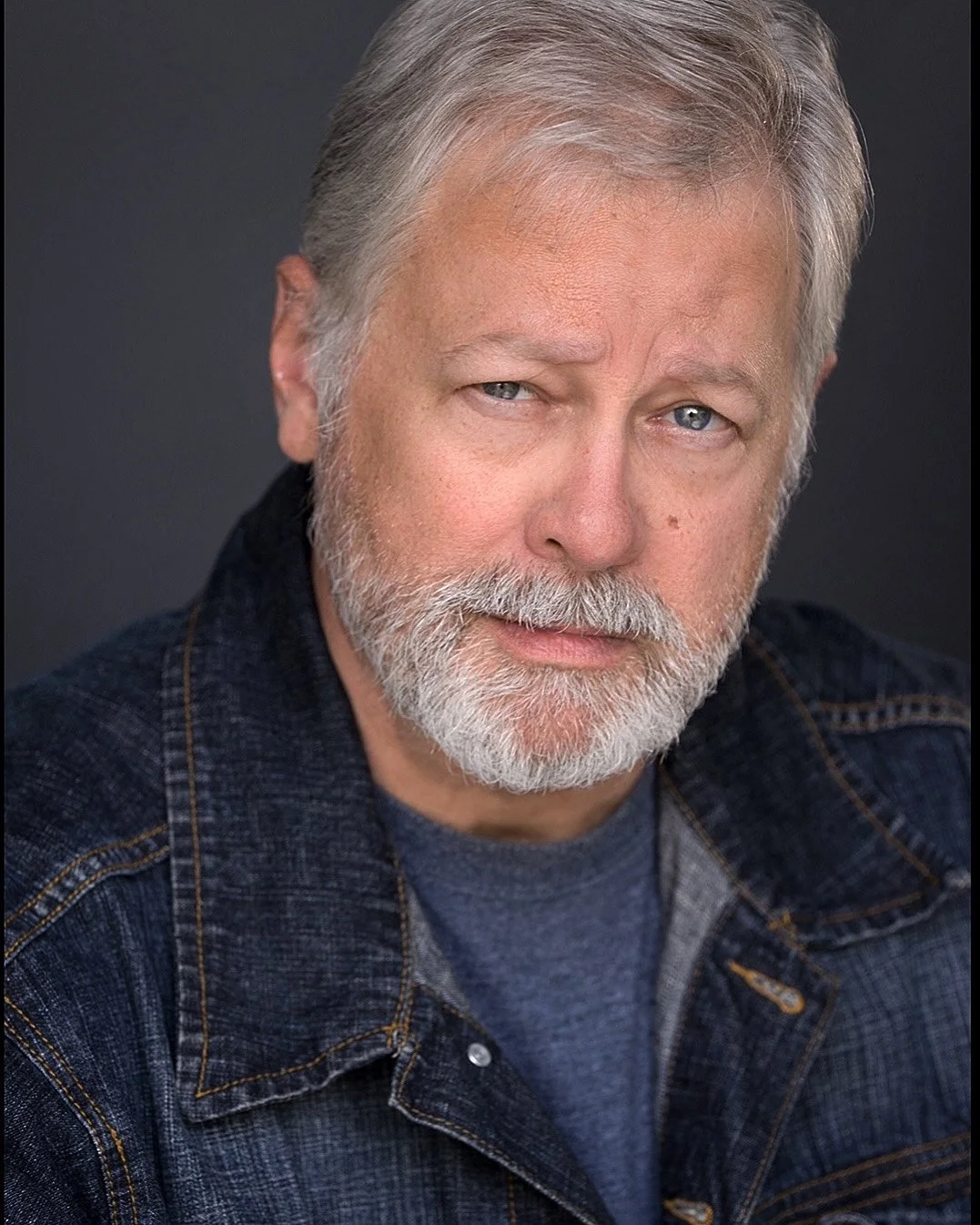
BIO: J. Alan Nelson, a writer and an actor, has been nominated for a Pushcart Prize, Best of Net and Best Microfiction. He played the lead in the viral video “Does This Cake Make Me Look Gay,” the verbose “Silent Al” in the Emmy-winning SXSWestworld,” and narrated New York Times videos on AIDS programs in Africa.