
Black-Caps
by Seth Frame
Memory keeps what it keeps: the color of light, the taste of fruit, the feel of gravel underfoot.
I drove I-88 toward Stone Ridge in the early morning, the road lifting and dipping through hills feeling older than the mountains I'd left, rounded and settled, patient. The trees were green—so very green—but it was a different green than the one I knew. Not the stubborn, sun-bleached green of juniper and scrub, not the sharp relief of cottonwoods against red rock, but something fuller, softer, enclosing. I watched it pass through the wide windshield of the U-Haul, my Volkswagen Golf trailing behind me on a two-wheel dolly like an afterthought.
I was excited. I was nervous. I was driving toward the woman I thought I loved. I was driving toward a new life, or at least the outline of one. The U-Haul felt like a declaration. I had left behind tall mountains and red rock deserts, my work, my best friend, a life out West that had once seemed permanent simply because it existed.
Through the windows of the U-Haul I watched the scenery change across the miles. Mesas flattened into plains, the West gradually giving way to something I half-recognized. The trees here were like the Indiana trees I had grown up with, the green familiar in shape if not quite in feeling.
The dolly limited me to fifty-five miles an hour, an enforced slowness that stretched the trip into something heavier than a drive. The engine hummed steadily, mile after mile, refusing to rush. My cousin rode with me from Denver to Indiana, company across the plains. I stayed a day in South Bend, saw family, went to the pool. Then I drove the rest alone.
Somewhere in Nebraska we stopped at an antique store that had a bar inexplicably attached to it, dusty glassware and taxidermy giving way to a row of stools and a glowing beer sign. I had a Bloody Mary and a patty melt, no onions. My cousin had beers for lunch. The country was full of these strange seams, I thought, places where two ideas had been stitched together and simply left that way.
By the time I reached Stone Ridge there was a plan already in place. I would leave the U-Haul at her mother and stepfather's house and unload later. We had tickets to a concert in Brooklyn that night. She would drive.
She drove. I let myself be driven. We parked and walked through Brooklyn. I bought cherries from a street vendor, drawn in by their ripeness and deep red luster, juice staining my fingers. I was tired—bone tired from days of sitting upright behind the wheel—but I was tired with my love on an adventure, and that felt like something I could build a future out of.
We laid down a blanket in the park. The ground was hard beneath me; after days in the U-Haul, my body had forgotten how to rest. I shifted and shifted again, trying to get comfortable, listening as the concert unfolded above us. Music rose and fell. Night arrived almost without announcement. When it ended, we walked back to the car in the dark, me humming tunes from the concert, carrying the ticket stub in my wallet like proof that the day had been real.
Crossing the Tappan Zee Bridge on the way back, the river opened beneath us, black and reflective, a wide, patient thing. I remember looking up at the illuminated span, the suspension lines lit in red, white, and blue against the dark. Then she said, "I don't want to marry you."
I asked her to pull over. On the other side of the river she eased the car into an emergency turnoff. I had to get out. Gravel and broken glass shone in the headlights as I stepped onto the shoulder, the night air warm and close against my skin.
I paced back and forth on the gravel, then stopped and looked back at the bridge, at the river moving beneath it. Without her there was nothing to keep me in New York. She had put on the hazard lights and turned off the car. I stood in the gravel and tried to imagine a direction.
The drive back to Stone Ridge was quiet. She offered no explanations, no excuses. I looked out the window and watched the darkness go by, no longer humming. When we arrived the U-Haul was where I had left it, waiting.
I stayed at the house that night. In the morning I walked through the garden. The raised beds were constructed out of odds and ends of lumber, the grass overgrown between them. The plants spilled out of them like waterfalls—tomatoes, peppers, lettuces. Along the fence were rows of wild black-caps, their fruits falling away at a touch. They are tart and their seeds crunch between my teeth. Her mother came out and hugged me. No words, just a hug. That morning I unhooked the Golf from the dolly. I had things to store. I was going to try.
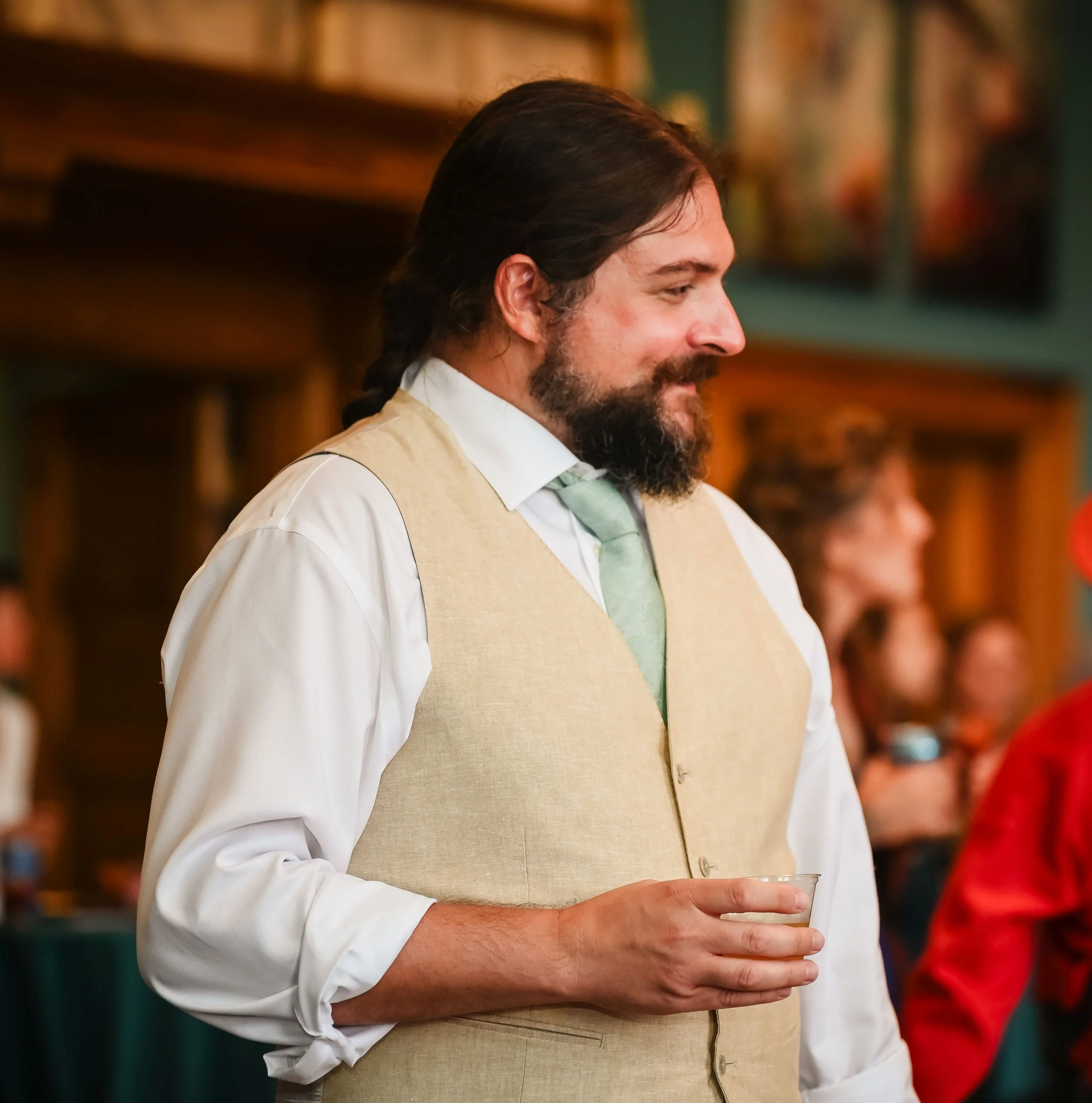
BIO: Seth Frame's work has been published in Blood+Honey. He is a writer based in Schenectady, New York. His creative nonfiction explores themes of place, memory, and human connection, drawing on his background in archaeology and his years living in the American West.