

Straight, No Ice
A Serialized Fiction Chapbook
by Lance Mason


Straight, No Ice
by Lance Mason
“Now the writer had to discover, or uncover, or recover, from some old memory or desire or his imagination, what direction or portrayal or emotional mix the story would or could take or describe or reveal—or avoid..”
by Lance Mason
“You’ve got to know, Jack, that your mother won’t like the idea.” He poured a polite quantity from the whiskey bottle into his empty glass.
“How can that be true, Papa, when it’s what you do?”
“Sure, but I already had a solid job when Herself found me, Boy—not at the top of the ladder, but part way up. If she’d met me as a cub at the Star, when no one knew me from salted bacon, she’d have probably dumped me for a Havana card-shark, so she won’t want her first-and-only—that’s you—starting at the bottom of the pile.”
“But you can teach me.” The youngster looked concerned. “Can’t you?”
“Bumby, my son, coaching the game isn’t playing the game, and vice versa. Rockne was a plug on the field, and so was Connie Mack on the diamond. Ty Cobb, a bat-and-glove phenom, couldn’t have coached his way out of a skid-row beer joint.” He sipped from his glass.
“Writing for a living isn’t basking in the sun on the publisher’s veranda, nor gargling gin-and-tonics on some patron’s cruise deck. You can’t learn it at your daddy’s knee or your nanny’s elbow. Hard graft and ambition turn the wheels on the wagon, lad. Yes, I can teach you how to nail together an okay sentence, some basic tips on phrasing, and a bit of description, but you need a dose of mongrel dog to find the truth in that jumble of words, to follow the trail and see the scene out there for what it really is, painting it in your own style without exaggerating the real colors.”
“Does Mister Perkins know what you mean, Papa? Is this how you and your friends write?”
“If I’m any good at it, Jack, it’s not from a pack of scrawlers telling me how. Scottie and I had to bite and kick and scratch for our stories from the start. Dos Passos, too. Sure, it looks glamorous when your byline shows up on the paper’s front page or Esquire’s cover, or some nob reads your piece on the radio, and it does thrill your heart when you see the work given the attention you think it deserves, but the stabbing and fighting you had to dish out to start it? The cutting and doubting you had to grind through to finish it? Well, it can be a demoralizing air for a man to breathe in.”
“Like the bullfighting work?”
Recharging his glass, he waved off the dish of ice offered by his son. “All the bullfighting pieces are about grit and heartbreak, young man, either in the bull’s death or the matador’s wounds or the courage you know you can’t match against an animal of great stature. But the dilettantes and artsy journalists scream in protest against the love affair between Spain and Andalucía’s bulls. And no, these don’t make pretty pictures in the stage-play tragedy Malraux calls the human condition, one we might think is a comedy because that keeps us in the game. But it’s not. It’s murder and war and politics and Nazis and fascists raining crimes down on human history while suckers like me and Scottie try to write facts and truth in what we see.”
“That’s what I want to do, what you do with the truth.”
The writer paused over this for a long moment. “Well, fella, you keep that up and it might get you somewhere, but some ferret-faced bastards—excuse my accent—won’t credit your old man with writing things as he found them, people who condemn the liquor they’ve never tasted, and the folks who drink it, people who have a bash at soldiering though they’ve never faced the Hun, and who try to rabbit-punch the writer who shows them their own sins and ignorance.”
“People do that?”
“Better you learn it now, though your mother won’t like me telling you. They’re called hypocrites, and they attack their betters in any field they choose, with neither conscience nor character. The leaders of the mob in the world of so-called literature are the New York critics who, by the way, haven’t one ounce of courage in their souls, and don’t know the difference between a good piece of writing and lipstick.” He regarded his glass before drinking. “Dos says critic derives from hypocrite, and what’s real to one of them is what they see on a sunny day in the Hamptons or a bad night in Central Park. The number of honest ones in the world you can count with the toes on one foot, and the foot would smell cleaner than the critics.”
Jack’s father went on. “The next on the hypocrite list are politicians and generals who spend their soldiers like dominoes in a card parlor, while brown-nosing the profiteers for Upmann cigars and pedigreed champagne. If the New York City folks are the horses’ asses of polite society, those in the second category are the hogs and jackals at the public trough.”
This made the boy smile. “Do jackals and hogs go together, Papa?”
“Generally, no, son, but no single animal comes to mind that quite blends the gluttony of the pig and the cowardice of the jackal. Perhaps a hyena.”
Jack grinned at this, too. “Have you shot a jackal, shot one dead?”
“Shooting is a sport, Bumby, while killing jackals and hyenas is extermination, and the same applies in Washington, an opinion on which Mark Twain and I agree.”
“Are there any other hypocrites?”
“So many, Captain, they can’t all be labeled in the taxonomy of perfidy.”
“Like who?”
“The moving picture crowd in California, with only rubbish to sell, and now it talks to you during the matinee at the Bijou.”
“Did you write for them?”
The man took another swallow of the tea-colored whiskey. “They asked me, like they asked Scottie. Even Perkins asked me. And they threw their money and dames at me, but I told them to parcel up their malignant tripe and ship it to China. We don’t need more corruption in our life.”
“Would you be more famous, though?”
The man sighed. “Fame is the residue of public clamor, kid. It can never define a man or the truth of his work.”
“And you’re already famous anyway.”
He pondered this, from his first-born son. Was he famous? As famous as Twain or Tolstoy or Henry James? As famous as Voltaire or Austen? Up there with Hardy or Trollope? Was he getting there? And fame wasn’t the same as recognition, the first a product of mass attention, but the second a mark of history.
“Maybe I am famous with you, your brothers, and Herself, and maybe even with some of the hypocrites, but that doesn’t make a man a great writer, Jack Boy, because you still have to put your brain in gear, and your heart, and see the world—day in and day out, through hunger and death and thievery and cowardice—for what it is, not what you want it to be.
“The cheap-writing show is all fine for the romance hacks and pulp-barkers spinning paper-thin stories about shoot-to-kill lawmen and street-corner floozies on the make, but that ain’t anything like true writing, Old Son, just a mix of flour and water for pasting patches over the holes in a reader’s Saturday night.”
“You make that sound awful, Father.”
“It’s not awful for the hacks and the typists and the book merchants making a buck, but it can be for those putting real meaning into their work and into those human beings we’re bringing to life, or back to life, on the page. It’s never a dirty business unless you let them kill your courage and your self-respect for what you’re trying to do with the words and your stories. That’s when you die.”
“Is that what’s killing Scottie?”
“Scottie got a raw hand of cards, Bumby. He got two aces on the deal and even a couple of sixes on the draw, but he got cheated out of the pot by three cheap deuces.”
Jack’s eyes nearly froze his father.
“Sorry for the rotten words. That’s just a glib dodge, and clumsy of me. Scottie’s fighting for his dignity, like a man, holding onto his courage until the end, treating death like the rude intruder it is. But it won’t leave the room, and might take him despite his strength in the clinches.”
The older man tasted the bitterness in his struggle over the coming loss of his friend. “What say we put this all outside for now and talk some more about the work.”
“But if the work has to be true and real, Papa, we can’t leave out Scottie.”
The man studied the boy. “You’re too goddamn smart for either of us, Jack, so maybe teaching you isn’t such a hare-brained idea.”
Jack smiled once more. His father did, too, then finished his drink.
In the morning, they ate eggs, ham, and bread, with milk for Jack and coffee for the writer, then they walked the true right of the river, spotting brown trout and rainbows dodging and feeding where the smooth water met the faster troughs under the trees. A cock pheasant chuckled from the oat field above the bank, and the only smell on the eastern breeze was the cook-fire pork chops from the Dutchman’s cabin on the rise, backlit by the morning sun.
“Will there be another war, Papa?”
“Not for us, Bumby, not if I have anything to say about it.”
“If it happens, where will it be?”
“All points of the compass, chap. Mussolini’s fascisti want to dominate the Commies, same with Franco’s mob in Spain. Hitler’s rousing his Jew-hating knuckle-draggers and calling himself a socialist to counter Stalin’s ‘Soviets’ in the East. Tojo’s got Manchuria and has set his sights on Burma. He’ll conquer China, given half a chance. England’s got her old colonies around the world, all under threat by strong-willed rebels or tin-pot dictators.” Jack’s father took a breath, looking across the browning meadows to the granite flanks of the Wind River Range.
“But if I had to bet a year’s pay, I’d say it’s in Europe, probably Spain. Hitler’s got no real opposition at home and isn’t ready for war yet. Same with Stalin and Mussolini. But Spain’s looking at a battle over who’s going to govern, so that could blow.”
“Would we fight there, Father?”
“We can’t let that happen, Boy. Not this country, at least. If men want to go and fight for their heroes or against the hypocrites, that’s fine by you and me. We can watch it and write about it, but we can’t go in like we did in France and Belgium, or Churchill’s fiasco in Gallipoli against the Ottoman Turks.”
“Are people going to die?”
“Yes, a lot of people will die in any war, but especially the next one.”
“But not us?”
“Not us, old man, not if I can help it. Now, let’s get back to the house. I need to write today.” And he did.
The writer found an idea about the Spain he knew and the Africa he knew and a man he thought he knew, and that started the thread that went back into his own life and forward into the life of the man in his attention, and that of a woman who found him on the street one night outside El Bombero in the autumn in Santander in Cantabria on the north coast of Spain. The man was bleeding from his nose and a knock on the head by two thieves who had robbed him, and she was with her three English friends, and was English herself, and had come over by motorcar from Bordeaux where her family-owned property, and through the Basque country and Bilbao to Santander for a slumming holiday at the seaport town’s best, but still cheap, hotel. She got the bleeding man inside El Bombero against the protestations of its jefe and the half-inebriated denizens trying to find the coins for another drink.
Now the writer had to discover, or uncover, or recover, from some old memory or desire or his imagination, what direction or portrayal or emotional mix the story would or could take or describe or reveal—or avoid. Would the breakthrough come before lunch, or in the evening, or next Wednesday, or in a month? Would it ever come, or did he have to rewrite it all and leave out the bar or the town or the season or the woman? Perhaps, rather than English, were her friends German? Was it in Avila instead of in Santander, or in Burgos, with its magnificent cathedral? Or maybe in Nairobi at the Norfolk Hotel, and the man is a mid-level diplomat who took a wrong turn off the Valley Road, and she’s the widow of a hunter killed by snakebite from a green mamba in the Okavango while guiding the Duke of York on a kudu hunt?
Would these elements make a story, a true one, a real one, or was he writing caricatures for comic books that never could show real life in resonant fiction, and did he even know what “resonant” meant anymore, or was he too far removed now from the grit and gravel of hard times and a man’s desperation and loss of blood to tell the story he wanted to tell? If this was so, he had to leave the open, peaceful country and its predictable landscapes and find the stories and the people out there in the wilderness of damage and loss, and write the stories for himself and the men and women who would take the time and show the interest to read them and talk about them so that he could feel he had done something of weight and value.
When the time came for his son to crack out on his own, were these the things he could teach Jack, or would the boy need to take the knocks every living person had to take so that he or she might survive the storm?
Author’s Note: Though never a Hemingway fiction devotee, I did enjoy sections from Death in the Afternoon and Byline, and bios of him in That Summer In Paris (Morley Callahan) and Hemingway's Boat (Paul Hendrickson). His intensity of observation-and-repsonse did convey important insights into some episodes of history in Asia and Spain in the '30s, Europe in WWII, and Cuba in the '50s.
BIO: Lance Mason's writing reflects both his farm-town origins and his extensive travel abroad. He has explored, lived, and worked overseas for decades, traveling the world by foot, bicycle, motorcycle, train, tramp steamer, and dugout canoe, about 15 years of which was spent living in current or former Commonwealth countries. These experiences that have both enhanced and interfered with Mason’s writing life. His work has appeared in 50+ journals, collections, anthologies, etc., was included in Fish Publishing's 2025 Memoir Prize (Ireland), received a Silver and 2 Golds in the 2024 and ’25 Solas Awards, and his fiction recently appeared in ShortStoryStack (Palisatrium), Eerie River's BLADES, and Cowboy Jamboree's PRINE PRIMED.
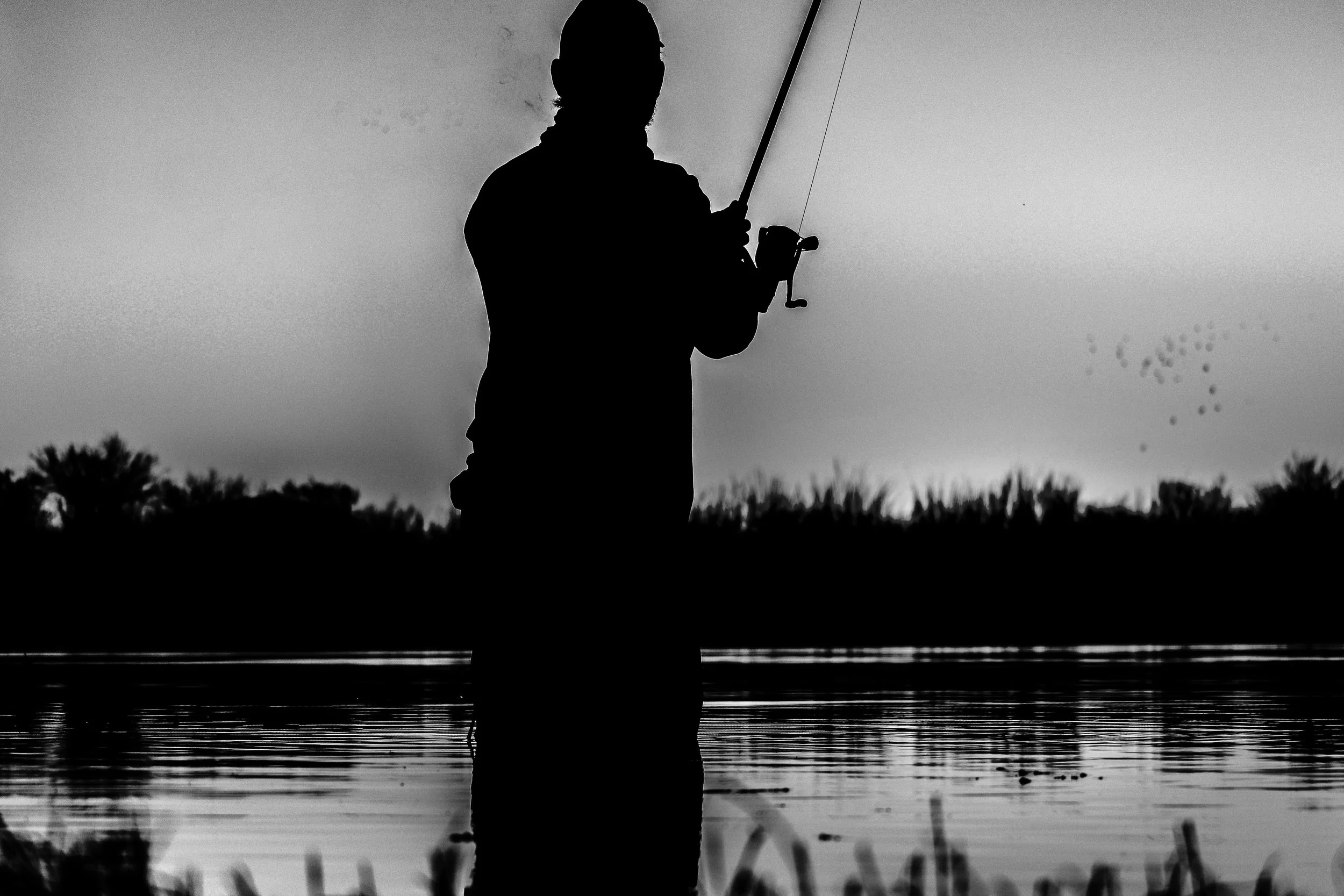
Yellowtail Blues
by Lance Mason
“The flickering scene had ended when the butt of his rod fell dead in his hand, the fish tearing away like a runaway train.”
by Lance Mason
He'd read somewhere that Hemingway had invented some of his war correspondence, that those dispatches were too similar to some of his fiction to be true. The reporting would, therefore, have been contrived, the malefactor incriminated by his own hand. Yet were they lies or just hyperbole? In addition, did anyone care? Had they read less well because they hadn't been thoroughbred fact? Someone famous said that journalism is simply man's first opinion of history.
Besides, what right did anyone have to expect the plain truth? Papa was, after all, a fisherman.
Today, for our sins, we have computers that duplicate, then surpass, man's grandest calculations. Still, for all their power, machines can neither paint the thinker's creative dream nor match a fisherman’s vivid fantasy of how it should have been.
So, it had been in that elongated instant this morning when, his fly-reel wailing its strident song, Michael Lessing's line had sliced across the broken waves, the Cinemascope of his brain snapping into HD 3-D. In that broad second, across the silver screen of his mind, he strode to the dais in pomp and glory. The darling of a festive writers’ banquet, and cheered on by his admirers, he accepted the grand prize for his piece about fly-fishing on the Sea of Cortez. His byline gracing the great sporting reviews, literary agents stuffed his hand with calling cards, and Heidi Klum was trying to get him on the phone.
The flickering scene had ended when the butt of his rod fell dead in his hand, the fish tearing away like a runaway train.
After that, hours passed. The towering Baja sun bounced its lethal heat off everything in creation, and even the fish were lethargic. As a distraction, Lessing studied the pain on the side of his face, the vivid pain of a thousand pinpricks. The day before, he'd gone out without sunscreen, and now he was burned. Worse than the broiled skin, though, more wounding, was his sense of failure, his mordant frustration over the morning's defeat.
Lessing thought about these things as the boatman's panga motored east toward Isla Carmen. From a mother-of-pearl sky above the island's peaks, the sun spilled its white-gold track across the water. Squinting to his right, through the metallic glare, Lessing studied the cliffs jutting above Carmen's ragged shoreline. Furrowed, crosshatched, their craggy flanks were frosted white with primeval plumes of pelican shit.
He looked to his left, away from the harsh glint, at Joaquín. The boatman's face, bearded and weathered, looked impassive but riven by dreams. His eyes, red-gray and liquid, like bloodshot oysters, scanned the ocean in front for a sign, as if vision alone could lead him to the fish. You'd imagine Joaquín was looking for fish, but he spoke so little, and the sea's surface revealed so little, that it seemed all a mystery.
"I'm such a goddamned fool, Joaquín."
"Jurel very strong. Very smart." He was talking about the yellowtail.
"Yeah. Yeah, I know. But I had him. He took the frigging fly. Hell, he ran with it. I had plenty of strain on him. I thought he was hooked."
"Not so many fish today."
"Yeah, gracias, Joaquín." He regretted his sarcasm. "Sorry—yeah, it's thin fishing, all right. Any ideas? Just cruise around?"
"Punta Lobos."
"Near those divers from yesterday, by the split rock?"
"Si, Miguel, y cerca canal estrecho. Vamanos. Muchas sardinas allá." The big ones would be chasing baitfish there.
"Vale, Joaquín. Vamos."
The panguero let his mouth twitch once, then eased the throttle down and worked the wheel to port. Carmen's bays and cliffs slid away to starboard and the panga rode the chop with a gentle throb.
Lessing thought about his chances. It was still February, prime yellowtail season, but the ocean had stayed cold, spoiling the spawning run and the fish counts, making his sense of despair all the greater. When there are a lot of fish to be had, losing one is not such a trial, but when the fish are scarce, the spirit not on the water, the fish you lose may be the only one you'll touch all day, all trip. When it's a fish like this morning's, then, the images can haunt you.
Visions of failure were the things Michael Lessing had come to Loreto to escape, the confrontation between his dreams and the obstacles to those ambitions. Fishing never rid him of the risks of falling down; it just gave him some freedom from thinking about it. Dropping this fish had freshened the worry.
His flight from Los Angeles had touched down in Loreto in the afternoon two days before. Riding into town in Geronimo's old dunger of a taxi, they'd rattled and rumbled along, mariachi tunes cascading from the radio and roadside saguaros saluting the passing cars. Near town, Lessing had seen a huge billboard, parallel to the road, visible to all the traffic. From it, a redheaded woman, outdated in her style—clothes, hairdo, domesticity—looked out at him over her shoulder. A hair-coloring’s slogan angled across her twisting torso in heavy, white script: ¡Cambié sus expectativas! Change your expectations! The sign's plywood backing was beetle-drilled, the paint of the ad peeling, giving the impression that the product for sale was extinct.
Lessing had been tiger-fishing in Zambia the year before. As then, he'd come down to Mexico prepared for the challenge. He'd studied his quarry in the guidebooks and knew from the get-go that yellowtail on the fly was going to be an iffy proposition. Big ones run to forty pounds. They run deep, they run fast, and they run hard for the rocks if you horse them. Taking an outsized yellowtail off the bottom with a fly rod was a fairy tale told by a few, but Lessing steered clear of that fantasy. He'd come after firecrackers, five- to ten-pound surface-feeding dynamos that schooled at the northern and southern tips of Islas Carmen and Coronado, and sometimes in the channel between.
At his local tackle shop, when Lessing had brought up saltwater fly-fishing, an old man rummaging through the bins of gear had mentioned Loreto. They'd made a date to meet for lunch. There the salty veteran had talked freely, one thing leading to another, as they do with fishermen.
"Sometimes months, years go by for a fly angler between takes. A long winter off the water, a new job, wife and kids, bad health." Lessing learned from the old man how a universe of changes and delays, of heartbreak and joy, can write new beginnings and old endings to the chapters of your life. "Another year goes by and you think your tackle is getting old. But it's your casting hand that's getting old. You count the seasons you have left on your fingers and toes, and then just your fingers. That's when you hate the wind that keeps you ashore or the work that keeps you home. You just hate the days you miss." Lessing saw the metronome of life counting away the hours, the months, until one day you realize that the fishing dreams that remain for you are numbered. "A big one may get off now and then, sure," said his friend, "but at least you're fishing."
Yesterday, his first on the water, Lessing had been skunked on yellowtail, but he'd boated three barracuda and an early sierra mackerel that he'd had for dinner. Even the grilled sierra, though—white, cake-like, majestic on the tongue—had been scant compensation for the lack of yellowtail.
So, this morning they'd gotten away before dawn, heading north. Joaquín had explored off the southern tip of Coronado, then spotted some birds working up the island's west side. They'd chased them clockwise as the birds moved a little north, then east. So, Joaquín piloted around the next point, straight into the rising sun, and, before they could adjust to the light, the boat had hit a churning maelstrom of fish, birds, and ocean. Billowing hordes of sardines flew past in their own patches of spray, with seabirds and game fish diving, slashing, leaping into the shimmering schools of feed. Common terns and black-backed gulls had rained into the water like feathered arrows. War parties of yellowtail pillaged the swells, bursting through and savaging the whirling mobs of baitfish. It was an angler's vision of Heaven.
As Joaquín throttled down, Lessing had jumped to the gunwale with his rod, whipping out line. He'd swung the rod and raised a cast, searching the water for a streak of green—two or three, even better. Then it came—no firecracker, but an artillery shell, barreling across from starboard, nailing a sardine off the port bow, and then braking, veering, as it prowled past him toward the stern. Its body looked as thick as Lessing's waist, its tailfin as wide as his chest. Lessing fired a cast that led the fish by six feet, an arm's length to its left. His timing had been perfect and so had his aim. The emerald monster broke for the splash in a cutting swerve and struck.
Later, he could remember the moment he lost it. The yellowtail had hit his fly like the wild predator it is, like a puma takes a hare. It had hammered the fly and, after the first thumping jolt, Lessing had raised the rod swiftly and let the big fish run. His rod was up, bent parabolic, and he palmed the spool, the reel making a ferocious whine. He thought he'd held an even strain. He'd thought the fish was hooked.
The green beast had dived through a deep turn to the left, and Lessing was just tightening for a surer hook-set—or had he tightened?—when the pressure fell away and the rod went limp. The fish was running at him! He'd stripped line madly, felt a tug—or had he?—and raised the rod again. Nothing. He'd stripped line again, then again. Then he'd stopped.
He'd stood holding the dead rod, the birds gone, the water flat once more. His line lay on the water like an empty vein, a single, curling thread, running to nothing. Reeling in, muttering to the boatman, he'd dwelt on his mistake, watched the blank horizon, and felt the failure burrow down into his guts.
The lessons, the methods, were not new to Lessing. When a big sea-fish hits, you must strike it right and strike it hard. Right might mean the moment it hits or after it turns and runs. You have to know—know the fish, sense its rhythm, feel its heart. A fish with the heart of a lion takes your fly and challenges you to a fight. You let it run, and then you strike—hard. But some fish have the heart of a wolf, and you must strike them instantly, before their fear rejects your fly. All fish of a type, Lessing knew, share the same heart. Permet are like rabbits, wahoo like cheetah, and tuna like Cape buffalo, dumb and relentless and hellishly strong. A marlin is like a leopard—you must use the cleverest possible ruse to draw it in, you must be quick and precise to fool it, and you must be very smart and very strong to defeat it—and you must strike it on the run.
Lessing had struck the yellowtail as if he'd been trout-fishing—tighten and lift. He rarely struck a trout hard. Okay, sometimes—down in New Zealand, on the big Tongariro rainbows. Mostly, though, he'd just tighten on the line and lift the rod, keeping an even strain. No, he’d made a mistake with this yellowtail. You can't play jurel like that.
Fishing's rarely easy. After the weeks of planning and hope, after the beer-bar fantasies, you find the school of fish and you fool one. You bring it to the fly. It swoops through in a lightning attack and is on the hook before you can think.
This morning, off Coronado, the hit had come with a vicious shock that was in Lessing's hands and arms before his brain knew a fish was there. There was no mouthing of the fly, no touch-and-go, but a fearless take by a big, hungry animal. Before the adrenaline had even lit up his blood and muscles, Michael's hands were moving, working, playing the line and the rod. Yet he'd struck the fish from bare excitement instead of craft and purpose, a going-through-the-motions strike. Then it was gone, all over far too soon.
What pained him was that his intent, his instincts, had been weak. He should have driven the hook past the barb, harpoon-like, into the fish's jaw, when the fight would have then been his to win or lose, rollicking thrusts surging through his arms, his rod kicking under the pounding, shimmying runs. The fish would have sounded madly for the rocks to break him off, his line carving Cubist designs through the ocean's ripples. He would have kept an even strain. He would have pumped and reeled and turned the fish's head as the perfectly ballistic body torqued and flew through the sea.
It didn't happen, though, and he felt deprived, recalling the chance he'd had and lost.
"As all of you know, our industry is suffering under constantly renewing threats." The speaker was from the home office in Cedar Rapids. Hair off the ears, white shirt, striped tie, unwavering gaze, his look mimicked an ad for retirement-plan advice, his words charged with purpose.
"Insurance plans of every sort—not just HMOs—are squeezing our bottom lines. Governments are pressuring us on pricing. Re-importation is no longer on the horizon—it's here. Our shareholders are scared, and rightly so. We need to change our expectations."
Lessing's commitment to success was waning. At least, success in his job, in drug sales. Shareholder value was crowding out self-achievement as the motivator, his motivator. The sense that a bigger, better Michael was inside him somewhere, hustling to get out, and that more achievement would bring gratification—that was dying in him. Now it was the shareholder who needed gratification. Well, the hell with that, he thought. He had a little rental income. If he could just find an agent for this new novel, someone serious, someone to believe in—and to believe in him—it would give his writing some traction toward a career.
His little beach town was growing more congested by the day, cheap money building in the gaps, pushing out the borders, big-box commerce digging in. Still, his town was okay and his life was okay. He had good friends, and his job had been good before this shareholder crap. Also, he didn't need to see the shrink anymore (even if his ex did!).
The sheer, ragged ridge of Punta Lobos angled down and out to the point, to a large rock that was split off the end. Two carrion birds rode swirling thermals, patrolling along the cactus-strewn cliff-edge. Gannets and shearwaters dived for fish or roosted among the hollows in the rockface where weather and the sea had carved their marks. The point got its name from the seals, los lobos marinos, wolves of the sea, that slept and fed on the east side, facing the Sea of Cortez. Good yellowtail ran in the current there.
In rivers, lakes, and the sea, on gear light and heavy, he'd hooked and fought thousands of fish, and they were all cousins. Big silver salmon on downriggers off Vancouver Island ran and bulled you like the yellowfin schoolies out of Cabo San Lucas. Pound for pound, the salmon weren't as tough, but they still bulled you like the tuna. Christmas Island bonefish were spooky, like brown trout cruising the weed beds in a clear Tasmanian lake. Hard to fool, both challenged your vision, your casting, and your patience. And when they ran, it was for the horizon. Sierra mackerel hit and ran like Zambian tiger fish, pipey and short-winded, but were easier to hook up.
He'd gone to Africa last year knowing tigers were the toughest fish to hook. Though he'd been wary, on the first day, with his own fly and his first good cast, he'd got a strike and hooked up, but then broke it off with a spell of buck fever. He didn't actually boat a fish until his last day. For the three days in between, every hit was a brilliant, megawatt shock, and he hadn't been able to set the hook in the fishes' marble-like jaws. The thick end of five grand, four days of travel into the Upper Zambezi, through a war-blighted East Africa, where the tension in the cities sandpapered your fears so raw you couldn't write until the living African night took over from the dreary, hunkered days—and he'd landed one fish. How had he felt?
He'd felt like he felt now. It boiled down to failure. Failure to be ready. Failure to expect the unexpected, so, when the big fish hits, your trace is too light, your hook too dull, your concentration weak. You strike too quick, too late, too soft, too hard. You fail. It doesn't matter how far you fly or drive or hike, what you see or eat or talk about with others. When you miss a fish, you fail.
Returning from Punta Lobos that afternoon, with a wind chop building in the channel, Lessing had two small yellowtail in the box, sore reminders of the twenty-pounder he'd lost in the morning. Up ahead, inside the point and a hundred yards from shore, a fisherman in another panga was onto a good fish, his rod arced in a C, his line stretched over the water like the finest spider strand.
Slowing a bit, Joaquín called to the other panguero, and Michael watched as they passed the time of day. Then Joaquín looked away, across at Loreto, a half-smile crimping his face into leathery corrugations.
"Jurel," he said. "Muy grande." A big yellowtail on the line.
Lessing held his gaze on his panguero's face. Then, at a noisy eruption from the other boat, he looked over. The bend was gone from the rod and the line was slack. The boatman was leaning against the gunwale laughing, and his angler was laughing as well.
He must be drunk, Lessing thought. He'd lost a big fish, and all he could do was laugh about it?
Back at the marina, Joaquín asked Lessing if he wanted to fish tomorrow. No, he said, he wouldn't enjoy another day like today, another day of disappointment.
That evening, Lessing walked to Casa de Mariscos for dinner. From the mouth of an alley, a ringing guitar backed up an accordion's song, and he crossed the broken paving stones toward an abandoned building where, graffitied in blue on a pink stucco wall, it said: ¡Cambié sus expectativas—por si mismo! Change your expectations—for yourself! He read the message and walked on.
He sat alone at Mariscos, at a small table near the end of the bar. He ate a meal of pezole, shrimp and beer, and thought about the old man at the tackle shop back home, about the blue-on-pink-stucco commandment, and about the years lost and those yet to come. After dinner, he found Joaquín in the square and told him yes, he would fish with him again in the morning.
Author’s Note: My first published short story, reflects some of the psychological and emotional factors at play in the minds of serious anglers, fresh-water or salt-.
*Originally published in City Works by City Works Press in 2007; 2nd Place in Sheridan Anderson Short Fiction Prize 2018, Fly-fishing & Tying Journal;
BIO: Lance Mason's writing reflects both his farm-town origins and his extensive travel abroad. He has explored, lived, and worked overseas for decades, traveling the world by foot, bicycle, motorcycle, train, tramp steamer, and dugout canoe, about 15 years of which was spent living in current or former Commonwealth countries. These experiences that have both enhanced and interfered with Mason’s writing life. His work has appeared in 50+ journals, collections, anthologies, etc., was included in Fish Publishing's 2025 Memoir Prize (Ireland), received a Silver and 2 Golds in the 2024 and ’25 Solas Awards, and his fiction recently appeared in ShortStoryStack (Palisatrium), Eerie River's BLADES, and Cowboy Jamboree's PRINE PRIMED.
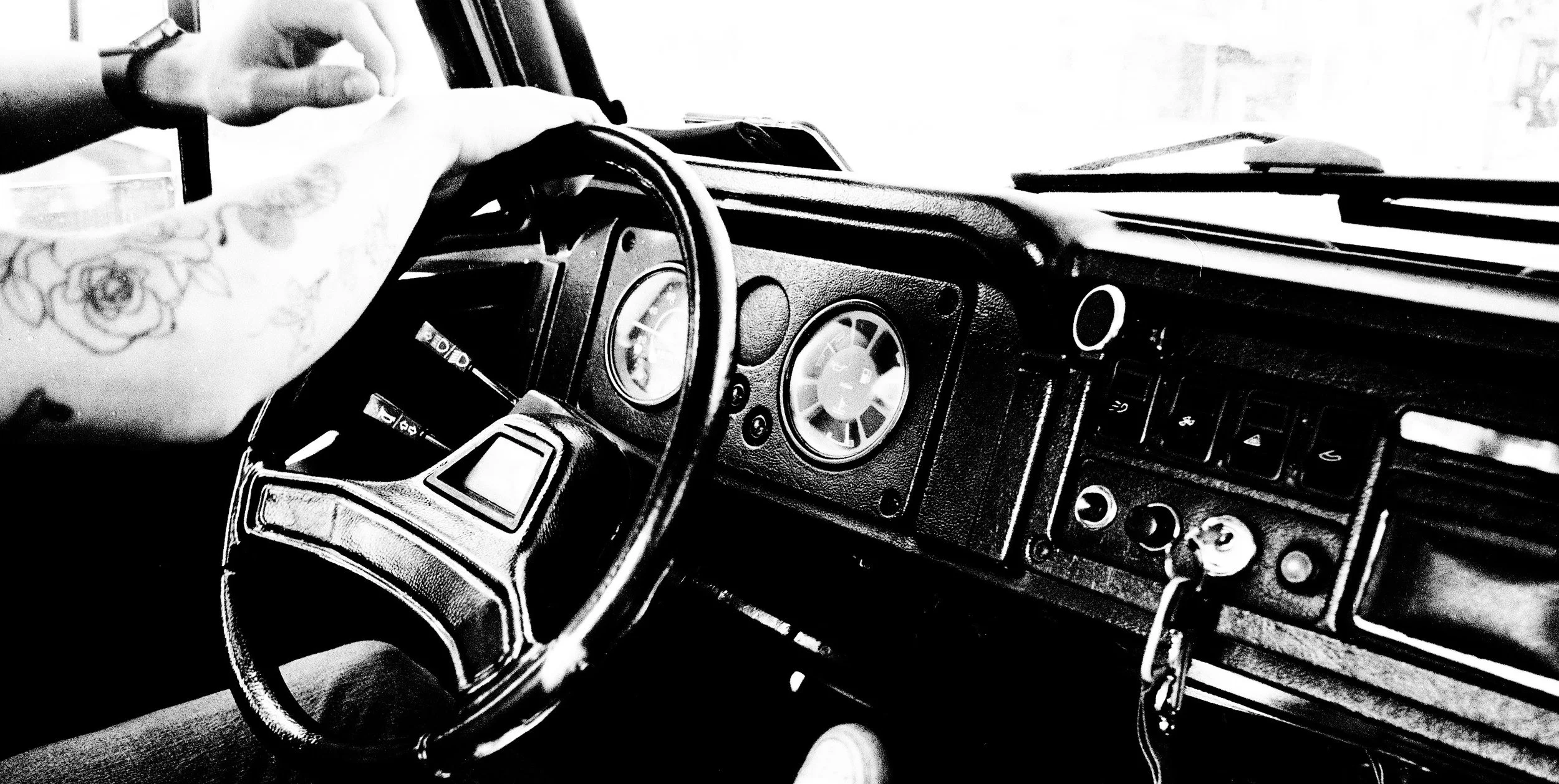
Go Tell Your Amigos
by Lance Mason
“Wayne struggled pretty good until somebody jammed something under the hood and into his mouth…and Wayne realized pretty quick he was tasting the business end of a double-barreled twelve-gauge..”
by Lance Mason
Frostie's was a drive-in burger joint at the north end of town, off A Street and Richland Boulevard, across the tracks from the Sunkist lemon plant. It was the main hangout in town for the paddies, the white dudes, and shared a parking lot with Floyd's Drycleaners. Both buildings were tan stucco with blue, slanted roofs and lots of glass, so you could always see what was going on inside, which wasn't much different from one day to the next. Frostie's cooked your burgers and Floyd's cleaned your clothes, and customers came and went, week in, week out.
Frostie's was one end of the nightly "cruise." You pulled out of there onto the Boulevard and drove south as far as the Blue Onion, or even the Signal station, then turned around and came back up A Street to Frostie's. Then you did it again, and kept on doing it until something happened. If you saw somebody cool you knew along the way, you shouted at each other from car to car, or stopped and bullshitted for a while.
The Union Pacific tracks, those double-strand rails on the east side of the Boulevard, were a steel boundary between Colonia and the rest of town. The chukes—short for pachucos—could use the Fifth Street crossing to drive out of their neighborhood and into the middle of the cruise, check things out, keeping their heads down. They didn't do it much, though I never knew of anybody trying to stop them. Mostly, though, they just cruised Colonia—until they started showing up at Frostie's.
What the cut-rate joints served up wasn't much more than what my old man called a grease spot and a pickle. But Frostie's burgers were huge and juicy, and smelled like toasted bread and rare steak. Even if you were hungry, it took some ambition to get a whole one down you. We bragged a lot about those burgers and didn't think about keeping them to ourselves. So, one Saturday in the PM when three pachuco dudes crossed over and into Frostie's in this bald-off, primer black '48 Merc, no one took much notice. Not until Wayne Pruitt and Fatboy Kevin Fleischer showed up.
Funny thing about patterns and expectations. Some people are curious about change and can even look at it like entertainment, but others get real upset if their rhythm gets thrown off. Wayne Pruitt was the second kind.
Sitting in the Ford at the back of the lot, Gene and I watched the world go by, Roy Orbison on the radio singing Blue Bayou and, thanks to the lemon plant, a sweet-n-sour aroma in the air. The chukes had backed the old Merc into a white-lined parking spot, up against a half-rotten piece of telephone pole laid down to block off the spaces. They'd walked up to the window and ordered some food, and now the three of them were talking the lingo and eating, sprattled on the hood and fenders of the Merc. In its back window hung a Playboys plaque, the local Chicano car club boasting some notable bad-asses, that was for certain.
Just then, Wayne Pruitt turned off Doris Avenue onto A Street in his ’52 Olds coupe with the big ’61 V-8 and Holley four-barrel. When Pruitt saw the Colonia boys parked at Frostie's, eating like they belonged there, he spun that Olds straight into the lot, right across in front of them. He bent forward, staring past Kevin “Fatboy” Fleischer riding shotgun, pinning the invaders with his gray, gunslit eyes, making sure they knew he was looking. Then, he backed into the stall straight across from them, rapping the pipes on the Olds to get everyone's attention.
Wayne stepped easy out of the car, not in a hurry, and Fatboy followed. They walked toward the order window, and Wayne kicked at a piece of steel pipe that held the sections of telephone pole in place. They bought two Cokes, and Wayne looked at these Playboys again, hard and slow and then led Fatboy back to the Olds, leaned on the hood, drinking his drink, and kept glaring at the chukes, waiting for them to glare back. About a dozen people watched from their cars and the order window. Wayne finally took his eyes off the chukes and looked at Fatboy in his usual way, like the dude fit his nickname too well. Pruitt's sour face turned down to his Coke, then back at the chukes.
"You figure they belong here, Kev?"
Fleischer liked being called Kevin or Kev instead of Fatboy. "Fuck no, they don't. They belong across the tracks unless they're in the fields or picking up trash."
"Yeah, that's what I figure." Pruitt looked back at Fleischer. "Why’n't you throw ‘em outa here?"
"Me?" asked Fleischer, getting jumpy and glancing away. "Why should I do it?"
"You just said. They don't belong here."
Fatboy looked offended, with that trying-to-get-me-in-trouble face, but what he said was "It's a free country."
Wayne eyed Fleischer with all the disgust he felt. "Izzat right?" He started shaking his head in a decided way. "Well, that ain't how I see it." Wayne stepped over to the trash barrel and threw in his cup, used an old Zippo to light up a Chesterfield, and kept walking right toward the Chicanos' car. When he got there, he stopped and looked once at each of the Playboys, and they looked at him, wary. Then, Wayne walked slowly around the Merc, looking at it and watching the owners through his cigarette smoke until he was around the front again.
Two of the three chukes were in high school, a lot younger and smaller than Wayne, and the third one was older but not much bigger than his friends. Maybe it wasn't smart for them to have come into Frostie's. They probably weren't there because they were hungry—there were lots of places to eat in Colonia. Maybe they were showing off for each other or somebody else, like they thought they had something to prove. It didn't make any difference to Wayne. He looked them up and down like they'd flunked some kind of human test—not that he was an expert on humans, or on passing tests for that matter.
"What the hell you think you're doing here?" he said. "This ain't no burrito stand." The chukes looked at each other. "What, no comprende? Well, shit, you must be sorry you were born Mexicans."
"We understand," one of them said.
"You do? Well, good, Mr. Beaner. I'm glad you comprende, señor, because your kind don't belong here. You belong"—he pointed east, jabbing his finger toward that part of town—"over there. We don't want you around here. No gusto mucho, get me?"
Now all three Playboys were staring at Wayne, who bent toward them as he said, loud and slow, "This—means—you, tacobender. Get in your nice, clean bean machine and get the fuck out of here before you wish you'd never left Chuke Town."
By then, the three of them had started to move. They fired glances at Wayne as they walked to the doors of the car and got in. The engine gargled to a start, and they pulled slowly out of the parking space, pretending like they were ignoring Wayne standing over them. He kicked the back bumper as they left, like he was kicking an unruly dog.
"And stay out," yelled Fatboy, like the chicken punk he was.
In our town, trouble didn't always seek you out. Some guys went looking for it.
You learn early in the joint that life is all about respect. If you don't have it, you better get it, some kind of it, or you're worse than a victim of the system. You're a target, you're somebody's property, a servant, a slave, a thing. You're dead, at least as a whole human being. Respect is easy to say but hard to come by, and the want of it brings more fighting and killing than anything in history. Without it you’re an exile, so you tell society to take their disrespect and shove it up their ass, and you go your own way, maybe alone or maybe with other people like you. Gangs, prisons, and graveyards are full of people who didn’t have respect or wouldn’t give it. Pruitt was an example of the latter.
Late one night the next week, Wayne stepped into the alley behind Snooker’s, Richland’s old-time pool hall. Neither Gene nor I were there for the details, but I heard some when Pruitt gabbed afterwards about revenge, and later still from dudes I met inside who would have known or seen what happened. Maybe thinking about skinning eleven bucks off Fatboy’s brother Carl shooting 9-ball, he was walking up the redbrick alley toward Fifth Street. Then the lights went out, and stayed out until midnight, about when three cars full of pachucos wove down a dirt path to the river bottom northeast of town. Pruitt came to with a hood over his head, tied up in the trunk of one of the cars. He said later that, from the sound of it, that driver was running a hot-rodded overhead V-8, but not an Olds.
The three cars pulled up along the sandy bank where nobody could see or hear them from the nearest road. Then some of the chukes got out, pulled Pruitt out of the trunk, untied his feet, and walked him twenty yards into the green, loose-growing willows and brown sticker bushes. They were talking the California mixture of Spanish and accented English a lot of the Latin boys used. Wayne Pruitt only heard some of what they said—about being quiet, about how long they’d be there, and that no one else would know shit about what happened until the next day, at least.
No one ever did know—at least didn’t say—everything that went on that night, not exactly, just what the cops would get out of Wayne, what the hospital found when they brought him in, and what he yakked about to his friends after, besides the rumors that flew around.
As he got steered through the sand and brush, Wayne struggled pretty good until somebody jammed something under the hood and into his mouth. It cut up his lips and chipped some of his teeth, and Wayne realized pretty quick he was tasting the business end of a double-barreled twelve-gauge. When he heard and felt somebody pull the hammers back, that’s about when he would’ve quit wrestling around. When your hands are tied behind you and a hood pulled over your head, and somebody shoves a shotgun in your mouth and cocks it, you’re probably not thinking about how tough you are. Hard to know for sure, in fact, what you might be thinking.
Then Pruitt felt the hammers drop, and a shotgun’s throaty boom bounced off the big trees and the low hills across the river. A pain slammed through his head, and the shotgun jerked out of his mouth as he fell to his knees. He couldn’t figure out if he was still alive, or just not dead yet, a dull hum vibrating on and on in his brain. Then, he rolled back on his haunches and shit himself.
As the gun’s echoes faded, someone yanked Wayne to his feet. “How you like that joke, patty boy? I hear you like to joke around with my friends, huh?” The voice was close and really far away at the same time, and only in Pruitt’s right ear.
Wayne Pruitt wasn’t dying, not today. They’d just held the muzzle of a second shotgun on the left of his head, lighting it off the same time as they pulled the triggers on the empty one between his teeth. The noise blew out Wayne’s left eardrum and gave one of his face muscles a permanent twitch.
“You don’t maybe hear so good right now.” The voice came through the hood and into the throbbing confusion in Pruitt’s mind. Even so, he thought he knew the voice. “Well, you listen real good, pendejo, because what I’m going to say you gotta remember and tell your patty boy friends and the rich guys in town, huh? You be like our messenger.
“Things around here gonna change, ése. Us Chicanos—us and our families, our people—we ain’t gonna take no more shit off you white motherfuckers. You get me, patty boy? Things are gonna change. We catch you fucking with our people, fucking with the Playboys or any shit like that, you ain’t gonna be so lucky next time. We ain’t gonna be telling no jokes. Next time, cabrón, that shotgun goes off in your head. You get me?”
Wayne Pruitt must have smelled the fumes of his own shit rising up inside the hood over his head, and tasted blood in his mouth, and chewed on pieces of his broken teeth. He felt his left ear thick and numb, stabbing pains wandering through his brain, and he could barely keep from barfing. Then two strong hands, scaly, workman’s hands, clamped around his throat and the voice was in his ear again, his right ear, his good ear.
“You hear me, pendejo motherfucker? You tell me you hear me.”
Pruitt couldn’t talk. No words would come. He nodded.
“That’s good. Good. And you gonna tell your friends, like I tell you?”
Nod.
“Good, huh? That’s good. We see you around, patty boy.”
They also probably said something to Wayne about having messed his trousers, that he didn’t smell so good, but, if they did, he didn’t repeat it later. He did say he heard some of them shout viva la something before the lights went out again.
When they found Wayne Pruitt near the river the next morning, it was just coming dawn on the county road. He'd woken up with his hands untied and the hood gone and smelling pretty foul. Blood was dried all around his mouth, and in his hair from a scalp cut, his head probably feeling like a bean field plowed by a bow-legged mule. He'd barfed and stumbled and crawled nearly back to the road, and some farm workers found him and got permission from the crew boss to take him to the hospital, but he wouldn't go, wouldn't ride with them. He made them find a phone and call his father. Elroy came with the cops and found Wayne unconscious again, and they took him to the Catholic hospital in Richland.
Pruitt stayed there for nearly a week, the first couple days in a sort of coma. The Richland Press Gazette interviewed Wayne in the hospital and ran a story or two, but then his father kicked them out because Wayne was saying stuff that could get him in more trouble, being short a few cards in the deck now. Eventually, the cops and others got as much of the story as Wayne could remember, and what we didn't hear in gossip and rumor I got later from other dudes like me who were guests of the Golden State.
The heat tried to roust the residents of la Colonia for some names, but got mainly zip. While those polite, respectful, law-abiding folks had their own ideas on law and order, some of the white locals, even ones that knew Pruitt was a dick, were raising hell about his “cruel treatment at the hands of low-life renegades.” Ours being a largely Catholic town, the church preached about it, and the Knights of Columbus had a meeting with a lot of talk, and then retired to the bar.
Author’s Note: A heavily fictionalized memoir of episodes from my youth in a California farm town.
BIO: Lance Mason's writing reflects both his farm-town origins and his extensive travel abroad. He has explored, lived, and worked overseas for decades, traveling the world by foot, bicycle, motorcycle, train, tramp steamer, and dugout canoe, about 15 years of which was spent living in current or former Commonwealth countries. These experiences that have both enhanced and interfered with Mason’s writing life. His work has appeared in 50+ journals, collections, anthologies, etc., was included in Fish Publishing's 2025 Memoir Prize (Ireland), received a Silver and 2 Golds in the 2024 and ’25 Solas Awards, and his fiction recently appeared in ShortStoryStack (Palisatrium), Eerie River's BLADES, and Cowboy Jamboree's PRINE PRIMED.
A Journey Begins
by Lance Mason
“…Hoa felt Black Face raise his head toward the three people there. Phuong looked down into his eyes and remembered his mother and the years that had flown away.”
by Lance Mason

The sun through the door cast a hard rectangle of light across the red soil embedded in the wooden floor of the hut. Hoa squatted in the shadows, watching a black beetle scaling the reed screen over the window nearby. With an empty face, she dwelled on the decision announced by her parents. She could not leave her village to study at the school in Dien Bien Phu. Her hands and body would be needed in the rice terraces and mango groves in the year ahead.
The Northern Upland High School, or Truong Pho Thong Vung Cao, was a boarding academy in Thái Nguyên Province for children from neighboring hill-tribes and the surrounding towns. During the previous year, Hoa's family had been notified that she was a candidate for acceptance at the school. The female students were expected to wear traditional dress but, despite its prestige, in a country depressed by decades of war, there were no public funds for clothes, no tailors or seamstresses at the school. So, Hoa, of the Tai Den, or Black Tai, had spent these many months weaving cloth and sewing, preparing the embroidered vestments of her clan.
Long before this, when their northwest province of Lai Chau was formed, Hoa’s Auntie Phuong had left their village to attend the Thong Vung Cao school, then gone on to university in Hanoi to study commerce. For many years, Hoa had dreamed of following the path of Auntie Phuong, but to become an engineer, to help her country grow strong and self-reliant, according to the teachings—so said Grandmother Lan—of Great Uncle Ho, founder of the nation.
Phuong only rarely came back to visit the valley, but Hoa had decided that she would return—with her engineering books and her knowledge—and build a highway bridge across the nearby river, the Song Nam Rom. The farmers on the opposite bank could then more easily bring their rice and fruit, vegetables, eggs, and animals across to the market traders who traveled the north-south road in their rubber-tired tractors and tiny, diesel-powered trucks. Hoa would build the bridgehead downstream from the village, on the rocky promontory where the river's bank shelves away to the tumbling muddy currents and clear eddies below. Then, she would damn the mouth of Ancestors Gorge, the brawny, reckless tributary a kilometer upriver. This would store water for the rice fields and for the new fresh-water shrimp farms in the province, bringing income and prestige to Hoa's village and, so, to her family.
First, though, she must go to the school in Thái Nguyên, and Mother and Father had said no.
North of Dien Bien Phu, but south of Hoa's home, three imported SUVs, shiny and nearly new, powered up the tar-sealed road. The middle one was silver, and carried men from a foreign country whose colorful flags—red, white, and blue—snapped and fluttered from the fenders. The first and last vehicles were black, and full of local government and Party apparatchiks to conduct the day's negotiations. They had left late from a meeting in Dien Bien Phu and were hurrying through Muong Lay, the next town.
Behind tinted, armored glass, these mid-level bureaucrats and their entourages were on a diplomatic mission to the northwest provinces claiming to investigate the needs of the people, but, in the end, the meetings were about money, and the poc-faced drivers in the black cars were specially trained to prevent any threat to the well-being of these indispensable officials. So, the local people stopped, even jumped aside, to let the speeding luxury transports pass.
Sitting in the family hut, Hoa thought back to earlier years, how Mother had sat with her, helping her with her lessons and pushing her to achieve. Why now that Hoa had won a place in the academy was Mother joining with Father to oppose this? It was clear from Mother's face and tone that she was of two minds about holding Hoa back. Was it really about Hoa's role in the paddies and the orchards? The school had few funds, but the State would pay her tuition and board, so Hoa would need little from her family except her clothes. Another village girl could take her place in the fields and, even after the girl's pay, there would be some profit in the family's books.
Mother, however, still weighed life's outcomes on ancient scales: more offspring meant more security for the elders in times of want. Perhaps she wanted her daughter to stay and marry, to make grandchildren for the household, the family fabric. But Hoa knew the modern world. Uncle Ho's disciples, under General Giap during the French and American Wars, had wrestled Vietnam, the Land-Water, from the power of the West and set it on a track to greatness and plenty. The grandmothers and grandfathers of Vietnam would be more secure in the future without needing a dozen grandchildren to help them. Hoa knew this.
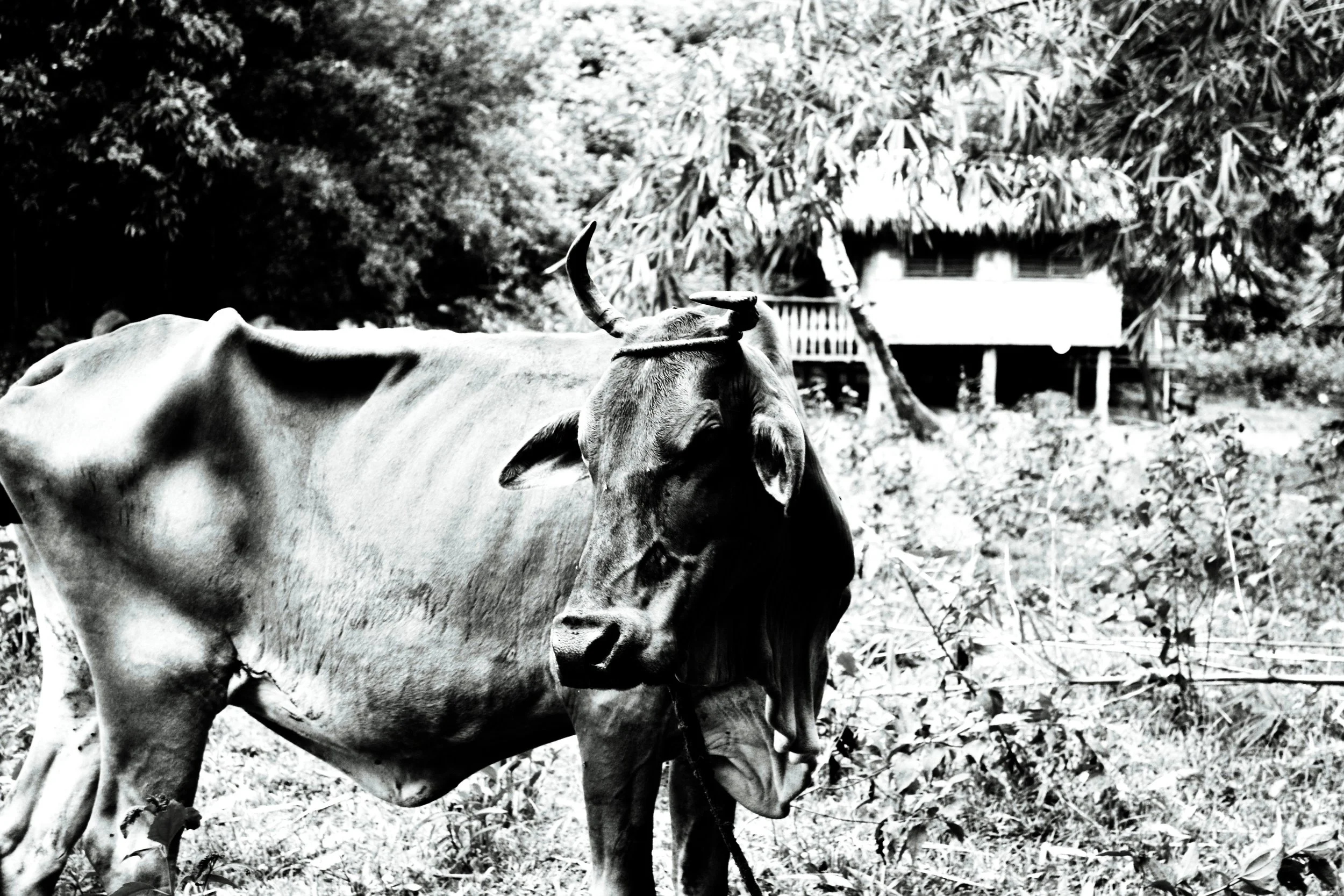
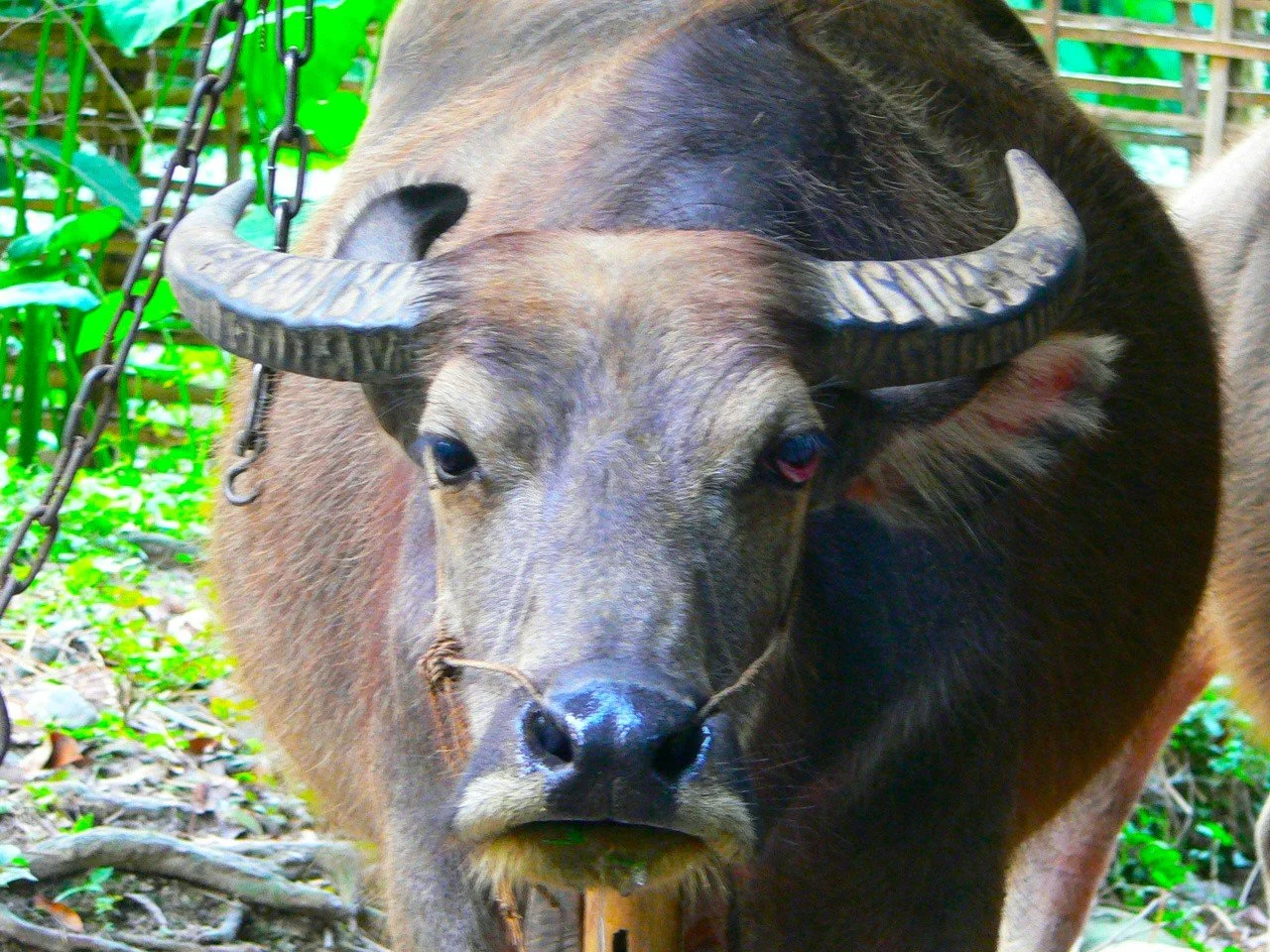
Hoa craned her head around and looked down from the doorway of the pole-house onto the smooth, fat back of one of the buffalos. The hair of its hide bristled black through a thin, even coat of dried mud, and its moon-crescent horns curved back to its shoulders. The beast twisted its neck and looked up at Hoa, looked into her clear, black eyes with its own, and the two of them, ox and girl, seemed to merge on a common path.
Hoa sighed at the animal. "I know my way, Buffalo," she said, "but how can I clear the stones?"
Father had also objected to the school. Perhaps Father didn't want Hoa to go where she might hear things that reflected badly on the ways and customs of her peasant tribe, the Black Tai, or because she might, like Phuong, marry a stranger and not return. Yet Hoa knew that deep within her body, and running in her limbs, was the sap of her clan strength and spirit. She could never leave Mother and Father, Younger Brother and Younger Sister forever.
She rocked back onto her rump on the smooth-worn timbers and tugged her plaited hair and slapped her bent knee and tried to think of a way. The school was not something that could be allowed to escape her future. Hoa needed school as the rice shoots needed water and the sky—a direction to grow. She had to be at school the next term, but it had to be done the correct way, not by obstinacy or rebellion. The family, the village, had to say, "Yes, go."
At least a year had passed since Hoa had talked with her friends about her ideas and her plans for life, and two years since she played children's games or danced and sang in the village fêtes. Her week now was study, sewing and weaving, cooking with her mother, fieldwork with her father, and feeding, watering, and washing the two water buffalo. These oxen, mighty, diligent beasts, drew the cart, dragged the plow, ferried children, and bequeathed to Hoa the power of their presence. For they were descendants of the animals that had built the robust rice culture of Hoa's country, the Land-Water, and were wealth in themselves.
Of the two, Hoa preferred Black Face, the big, dignified, younger one, for when he spoke to her with his head-swings and snorts and rollicking gait, she felt his understanding of her moods and dreams. He paused when she needed time to talk, and he moved in a graceful near-pirouette when she had to rush through washing him in the paddy race. His bulk bore the richness of history, and when, from the pole-house floor, she stared down in need of a quiet friend, it was his face that met hers.
The three-truck convoy snaked and surged through the hills, past the roadside hamlets of the Dien Bien district, on its way to happenings of great consequence in new Lai Chau Town.
Just to the north, on a wooded slope below Ban Nahi hamlet, Chinh, a distant cousin of Hoa, talked to his dog White Legs as they took a shortcut down to the main, tar-sealed
road. Ban Nahi also had many Black Tai families, and Chinh's grandfather was the uncle of Hoa's father's sister's husband. Chinh carried a throw-net and was going to meet his first cousin and dear friend Duong to go fishing in the small eddies and side currents of the Song Nam Rom. White Legs, snuffling and scratching at the roots of trees, loved this trip. He had been making it once or twice a month with Chinh since he was a pup. Duong would bring his dog Lanh, and the two dogs would sprint over the trails and tromp through the undergrowth, flushing out every bird and small animal between the road and the river.
The diplomats' vehicles raced on toward afternoon, through a swirl of leaves and dusty sunlight. The stern-faced drivers honked their horns willfully, and the villagers scuttled off the pavement, sometimes dancing over ruts or ditches to dodge the trucks. Great Uncle Ho had taught that the people were the government's backbone and provisioner and, so, must be honored and respected. Yet the new officials were tempted by hubris and power to treat Ho Chi Minh's lesson as an outdated fable, and the people's daily needs as a spouse's humdrum carping.
Chinh aimed his steps for a tree grove on the near side of the road, halfway between Ban Nahi and Duong's hamlet of Ban Tau. In the grove was a small bridge crossing the irrigation canal that ran hard beside the road. White Legs looked up at Chinh and shivered with anticipated joy.
The sun threw warm, yellow light onto the west side of the mountains now, and Hoa walked with her arm looped over Black Face's left horn, tugging easily on his ear with her fingers, as if to let her words fall in.
"The school is part of the order of things in my destiny, Buffalo. My ancestors, with Grandmother Lan, carved out this path before my time. Father and Mother are burdened with the crops, the seasons, and Brother and Sister. They do not see the future for me yet." The animal twitched his ear away and back, to catch the girl's attention, then dipped and nudged his head against her hip. They were bound together through his ancestors and hers, and through the family's many-layered strategies, but he knew the future must be embraced, and he had perhaps another year with her. If he simply left her to her present discontent and far-off dreams, her spirit would sour like a stagnant pond. While he could not carry her body on the journey to the school, he could bear her soul on its passage through this important time.
When Hoa and Black Face reached the field, she left him to graze along the forest edge while she helped her father load the cart with baskets of corn, cornstalks, and the odd bit of firewood. The buffalo used his molars to strip leaves from branches and yank on weedy clumps, watching Hoa and her father for a time, before slogging off toward the river. Now he stood where the low, curving cliff jutted out above the rolling water. From his mouth hung a few strands of grass. He held his chest and shoulders low, and arched his neck, raising his snout to the downstream breeze. He closed his eyes and let the years unwind to thoughts of his mother, to thoughts of the twig-shaped girl who played games on his mother's back, the girl who first lifted the baby Hoa onto his shoulders. In his thoughts he saw this bony girl, small and thin, but later tall and shapely, and then she was gone for many seasons, and now returned only rarely.
Black Face lowered his head and opened his eyes. He looked upstream, then down. In the mist along the riverbank below, he could see his mother's spirit and, beside her, the visiting spirit of the young twig-girl. He called down to the girl in a quiet tremolo groan, and she looked up at him and smiled.
Chinh skidded and hopped down the slope toward the grove of trees, catching sight of Duong and Lanh on the path ahead. They were still on the near side of the canal that ran beside the road. A kilometer away, roiling dust and clouds of leaves chased the government’s shiny vans up the narrow highway. Lanh stood by the canal now, bold and quivering, eager to race White Legs over the footbridge and across the road into the bush toward the river. Chinh greeted Duong with a warm pat on the arm, and Duong replied as a group of peasants strolled up the road, blocking the view to the south.
As soon as Duong’s dog Lanh saw White Legs in reach of the bridge, he bolted ahead of him. Duong rebuked Lanh loudly, but he didn't stop. White Legs charged after Lanh. Chinh heard the drivers’ engines grind and growl and, for the first time, saw the speeding trucks. The government SUVs pressed on, swerving around the crowd of peasants and speeding up the middle of the road as Lanh sprinted clear of the bridge and across the road. But White Legs, suddenly confused by the mechanical roar, dozens of legs in the road, and Duong's scolding, froze. Chinh cried out, Lanh turned back and barked, and White Legs dashed into the road—in front of the speeding cars.
The “crump” of the impact sent White Legs in a tilting, cartwheeling arc through the air and back toward the bridge. This shocked the crowd, and Chinh stood dumbly, stiff and helpless, as White Legs tumbled downward and into the water-filled ditch. Air bubbled up from the dog's nose, and blood blossomed like a rose between his lips.
A few minutes and two kilometers later, safely away from the dead dog and protests from the villagers, the drivers stopped to inspect the truck—no damage to the paintwork. The lead driver nodded. He would escape chastisement. He picked some dog hair from the joint in the steel bumper bar, and the procession moved off to Lai Chau town. There were no more thoughts for the peasant boy and his dog, or for Uncle Ho's platitudes of the past.
Hoa would hear later of the death of Chinh’s dog. Now the sun was low in the trees, and Black Face trod along the paddy dike. Father, with the cart hitched to the other ox, had gone ahead home. When Black Face stepped down from the dike, Hoa slipped onto his back, and then rode him into the village, thighs encircled by his horns. For the first time in many months, two of the village mothers took the time to ask Hoa about her sewing. Their daughters stood by, eyes shy and smiling. Hoa felt an unexplainable pang. At the family hut, Father’s cart waited, not yet unloaded. At the top of the steps, three people stood outside the hut door. Open at their feet was the chest where Hoa kept her sewing for the academy in Dien Bien Phu. Mother held the clothes, Father nodded slowly, and, standing on the elevated porch of the hut, Auntie Phuong smiled down at Hoa. Then Hoa felt Black Face raise his head toward the three people there. Phuong looked down into his eyes and remembered his mother and the years that had flown away.
Author’s Note: From two visits to Vietnam. 1. A friend was US Amb in Hanoi 2004-08, so I witnessed instructive, high-intensity face-to-face political meetings in the NW provinces. We traveled in three SUVs, one of which killed the dog. Mike gave a talk at the boarding school described. My second visit (2014) was related to an action/adventure novel I've been unable to sell.
*Originally published as "In the Eye of the Ox" - https://thebookendsreview.com/2022/01/10/in-the-eye-of-the-ox/
BIO: Lance Mason's writing reflects both his farm-town origins and his extensive travel abroad. He has explored, lived, and worked overseas for decades, traveling the world by foot, bicycle, motorcycle, train, tramp steamer, and dugout canoe, about 15 years of which was spent living in current or former Commonwealth countries. These experiences that have both enhanced and interfered with Mason’s writing life. His work has appeared in 50+ journals, collections, anthologies, etc., was included in Fish Publishing's 2025 Memoir Prize (Ireland), received a Silver and 2 Golds in the 2024 and ’25 Solas Awards, and his fiction recently appeared in ShortStoryStack (Palisatrium), Eerie River's BLADES, and Cowboy Jamboree's PRINE PRIMED.